Program Overview
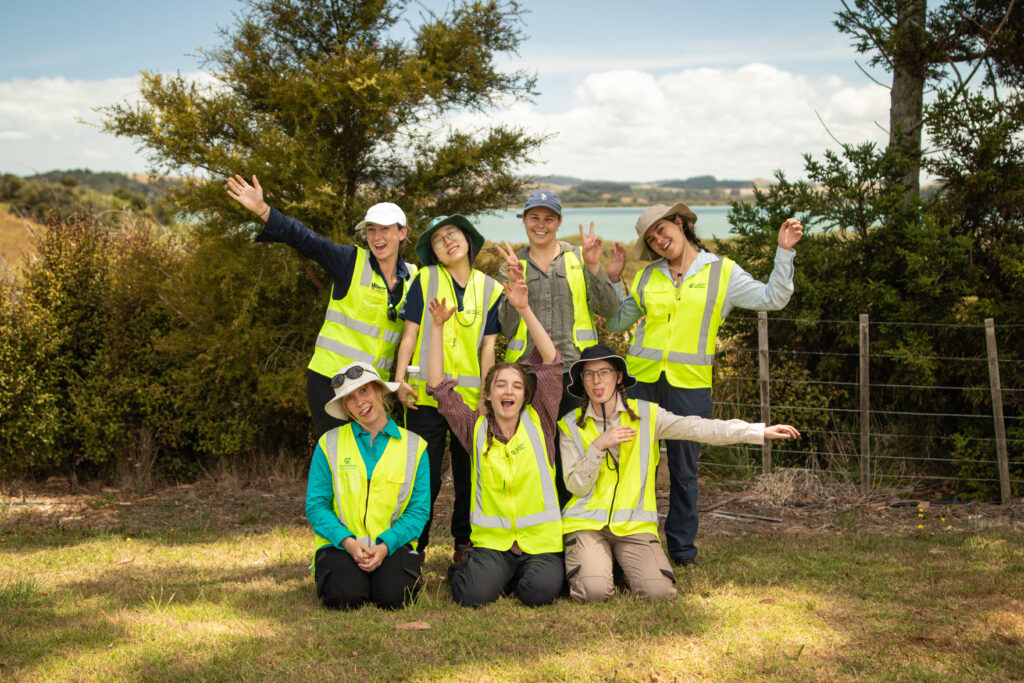
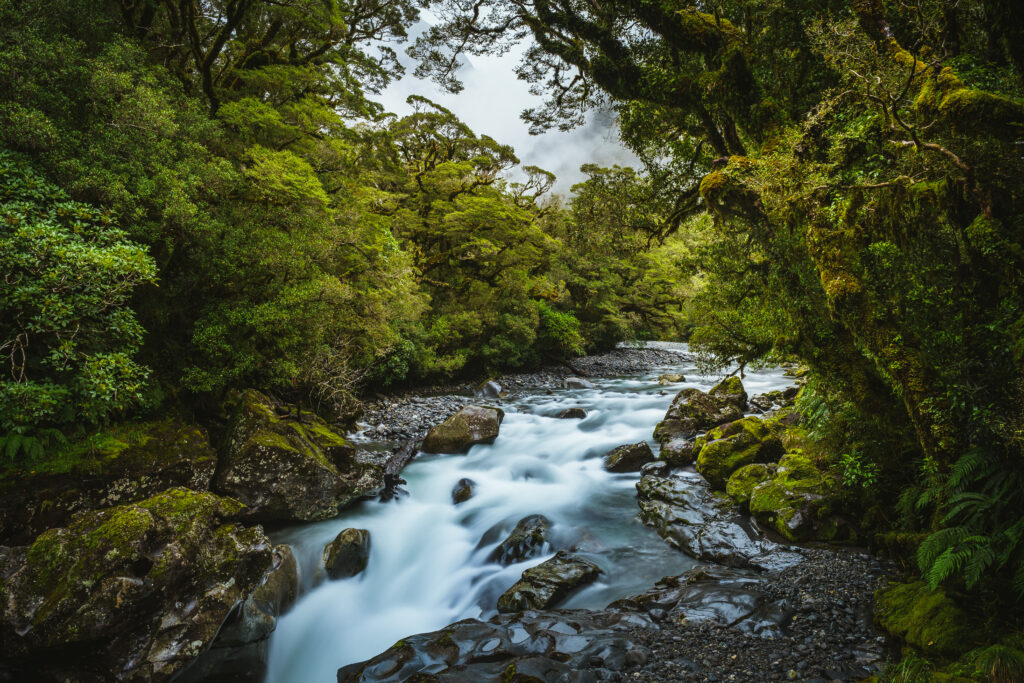
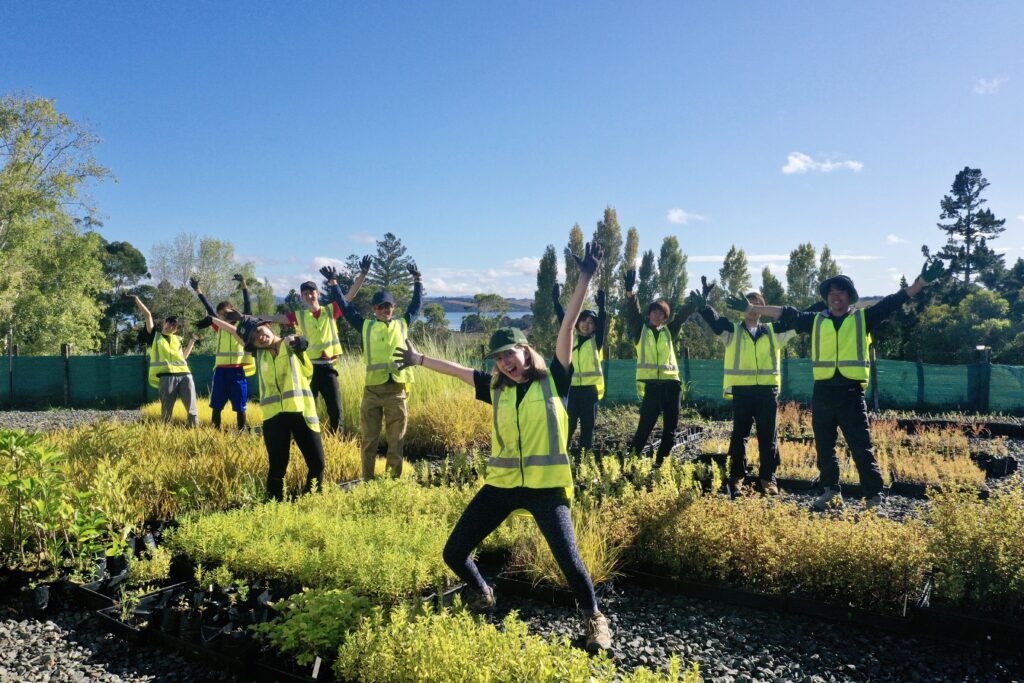
Immerse yourself in conservation work, connect with new people and explore one of the most beautiful countries in the world. You’ll live and volunteer alongside your team, helping to restore and protect native ecosystems. Your experience may include planting native rākau (trees), restoring coastal habitats, controlling invasive weeds, supporting predator control, and restoring wetlands, forests and other native habitats
Project Details:
- Project Activities: Varies on location and time of year. Tree planting, trail construction, wildlife surveys, seed collection, weed control, conservation fencing, heritage restoration and disaster relief
- Project Availability: Fixed program dates each year – see the Program Fee and Dates tab (below) or contact CISaustralia for upcoming availability
- Project Duration: 2+ weeks
- Working Hours: Monday to Friday, 8am to 4pm
- Location: Volunteers can choose from two locations – Auckland (North Island) and Christchurch (South Island)
- Excursions: There are a variety of activities and places of interest volunteers can choose to visit on their own (at own expense) outside of project hours. On-site staff can assist in providing advice.
- Support: 24-hour on-site support from Project Leaders and Site Director
- A valid Police Check or Working With Children Check is required
- Minimum Age: 18+
- Language: English
Highlights
The people in New Zealand highly value their environment and volunteers play a significant role in helping respond to environmental challenges. You’ll take action alongside people who are passionate about protecting the environment, and your work will help restore native habitats for future generations. Time outdoors with a purpose can also lift your mood and wellbeing, and it’s a great way to feel connected to something bigger.
You’ll live and work as part of a small team, led by an experienced Team Leader who provides all the training you need. Teams often include travellers, students and locals, so it’s a great chance to make friends from around the world. Volunteering this way helps you build teamwork, communication and people skills, along with adaptability and self-management, all of which employers value. Many hands make light work, and the friendships you make along the way are often a highlight.
Sample Itinerary
The program itinerary and project activities will vary based on location and time of year. Working hours are typically Monday to Friday, 8am to 4pm. Please contact CISaustralia for more details.
The Volunteer's Role
New Zealand is located to the southeast of Australia and weather conditions can be harsh at times. Deforestation is a significant factor and a growing concern. Scientists are concerned about the changes occurring to the local environment and climate.
Aotearoa’s native flora, fauna and fungi evolved in isolation for around 80 million years, and about 80% of our native species are found nowhere else on Earth. Forest clearance, drained wetlands, introduced mammals and invasive weeds have left many habitats fragmented and species in decline, and around 40% of native birds have become extinct since human settlement. Your help makes a real difference to their recovery.
There is usually a 1-2 week rotation on this project, which means you may get to experience a range of different settings and challenges in your project location, depending on the length of time you decide to contribute. The more time you spend, the more positive an influence you will have and experience you will gain.
The projects are seasonal and thus the work you will do is assigned to you on arrival. The priority of each project is often impacted by weather conditions and other natural forces.
What you’ll be doing
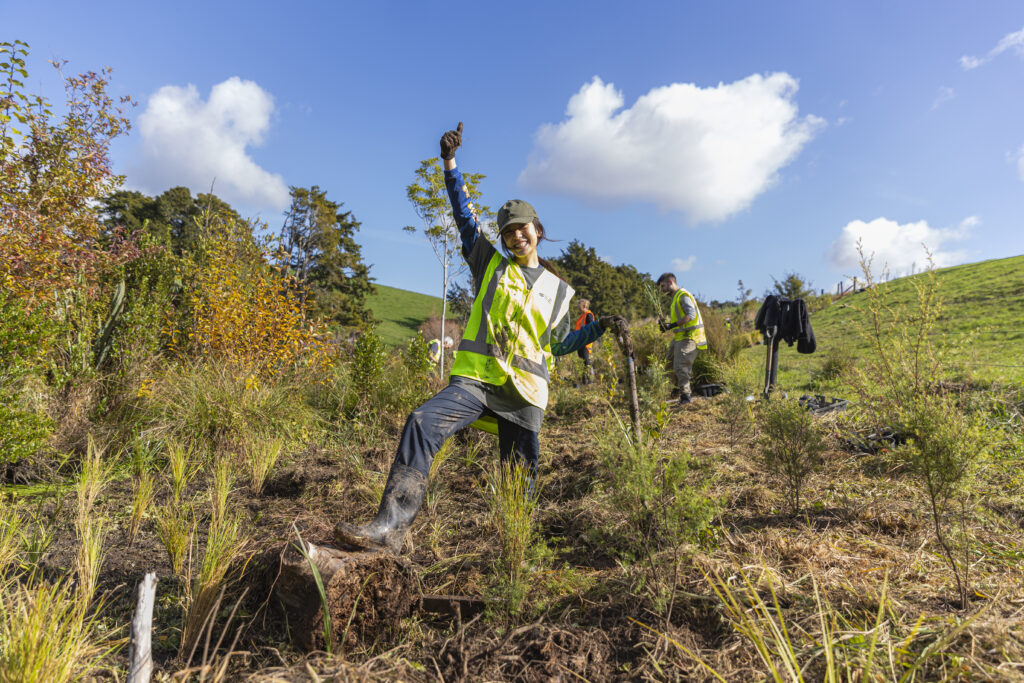
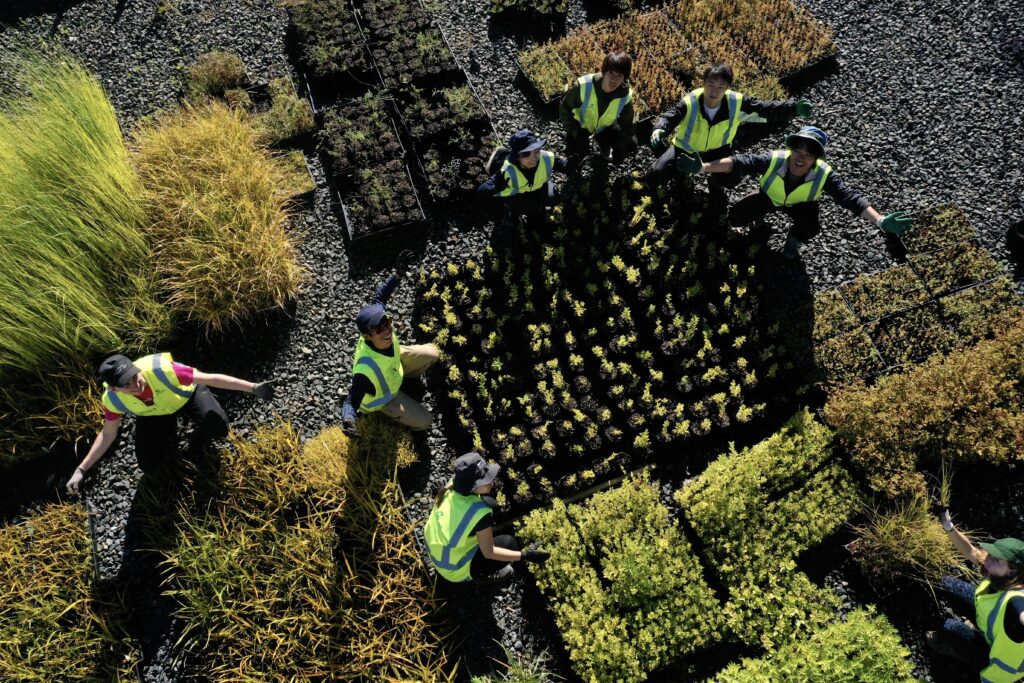
Depending on the season and region, you may plant native rākau (trees, shrubs and grasses) to restore habitat, remove invasive weeds, build and maintain fences, tracks and trails, collect wild seeds and propagate them in nurseries, survey and monitor native species and join beach, river and litter clean-ups. In winter, planting and preparing planting sites is a big part of the work, while summer brings more nursery work, weeding and track
maintenance.
Projects depend on the season and what each local team is working on, so your activities are confirmed closer to your arrival. Here are some examples of the work in each region:
In Auckland
- Join large-scale native planting and restoration at Ātiu Creek Regional Park, a regional park on the shores of the Kaipara Harbour, with nursery work, weeding, mulching and track maintenance.
- Help restore Papakura Stream in South Auckland, alongside invasive weed removal and raising native seedlings in the nursery.
In Christchurch
- Help restore river corridors and wetlands at the Ōtakaro Avon River Corridor, a large-scale restoration of the city’s Red Zone, creating habitat for native birds, lizards and bugs.
- Join projects in beautiful Whakaraupō Lyttelton Harbour, with a range of restoration activities depending on the season.
Required Skills
We are looking for committed individuals who are fit and healthy, passionate about the environment and want to make a difference. No formal qualifications are required; however, if practical skills or academic knowledge exists, they will be drawn on and clearly add value to
the project. Volunteers must be prepared to work together in small teams.
Excursions
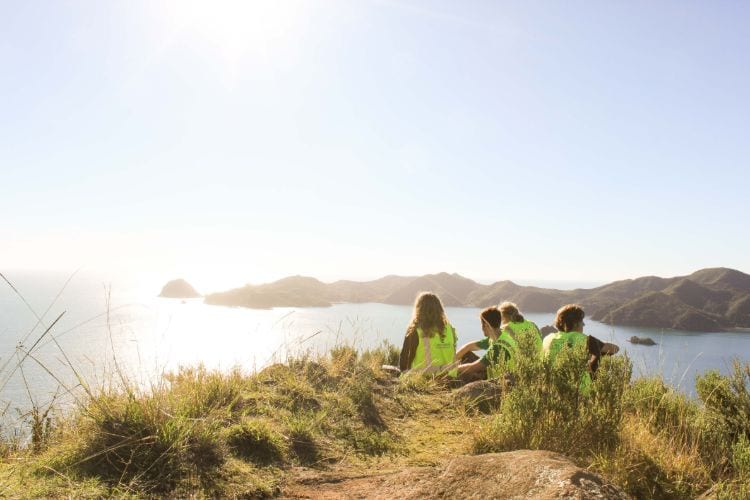
There are a variety of cultural activities and places of interest volunteers can choose to visit on their own (at own expense) outside of project hours. There will be plenty of time to hike, travel, enjoy the city on the weekends and see this amazing country. NZ is the home of snowboarding, adventure travel, extreme sports, hiking and hot springs. Our on-site staff can give recommendations for excursions in and near Auckland and Christchurch or elsewhere in the country.
Location
Home of the Hobbit and Lord of the Rings, New Zealand is an amazing place of natural beauty and the epicentre of adventure travel. NZ is made up of two large Islands – North and South, plus numerous smaller islands, and has over 15,000 km of beautiful and varied coastline. The country is located 1,500 km east of Australia across the Tasman Sea and approx. 1,000 km south of Fiji.
Māori were the first people to settle Aotearoa, voyaging across the Pacific in waka (canoes) from their ancestral homeland of Hawaiki more than 700 years ago. In 1642,Dutch explorer Abel Tasman became the first European to sight the country. In 1840, Māori rangatira (chiefs) and the British Crown signed Te Tiriti o Waitangi, a founding document of Aotearoa New Zealand.
Over thousands of years, much of the NZ landscape has become submerged. The Marlborough Sounds and Fiordland are examples of high mountain ranges that have ‘sunk’ into the sea creating spectacular sounds and fiords. NZ has some spectacular geothermal areas and relaxing hot springs – Rotorua is the hub, with mud pools, geysers and hot springs in active thermal areas.
Accommodation
All accommodation and meals are included during your New Zealand conservation experience. The first meal is dinner on your first Friday evening, and accommodation is included from your first Friday night onwards.
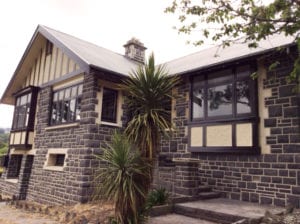
There are two volunteer houses in New Zealand: one in Auckland and another in Christchurch. Volunteers will most likely stay in one of these, however you might also stay in other forms of accommodation such as hostels.
Volunteer houses:

Meals: For breakfast we supply cereals, bread or toast, tea and coffee. Lunch is normally a self-made sandwich and fruit. In the evening, volunteers enjoy a meal prepared by the group, typically something like pasta, roast or a vegetarian option. Volunteers help with the preparation of meals and cleaning up of dishes, plus some domestic duties as required. We rely on every volunteer to participate fully in the program, and the evening meal is a popular part of the day.
Why Volunteer with CISaustralia
CISaustralia believes strongly in supporting volunteer initiatives across the world that promote sustainable and long-term societal, environmental and economic change to benefit and empower local communities.
While the term volunteering is widely known and accepted, we prefer to use the term Experiential Service Learning. This better relates to our philosophy surrounding close community engagement as well as a focus on projects that have a long-term approach and a range of positive impacts for both communities and our students. Over 98% of CISaustralia participants receive academic credit for their program abroad, which fosters a more culturally immersive and deeper reflective experience.
CISaustralia volunteering programs contribute to the United Nations Sustainable Development Goals which aim to achieve a better and more sustainable future for all. While not every program will achieve all seventeen of the UN goals, your role as a volunteer will have a positive impact by doing work that really matters. We partner with organisations that have in-depth, first-hand knowledge and close relationships with local communities. Prior to your departure, our team in Australia will prepare you with extensive resources so you feel supported every step of the way. You will also be supported throughout your entire overseas program by our fantastic and experienced in-country staff.
Volunteering abroad is a life-changing experience, enabling you to learn and grow on many personal and professional levels, to broaden your perspective on the world and to become a global citizen. CISaustralia prides itself in having the strongest global partners who are socially responsible and equally committed to their local communities and ethical practices. We love what we do at CISaustralia and are here to provide you with the support you need to successfully volunteer abroad – so that you can contribute to positively changing the lives of others, and yourself, along the way. Get ready for an exciting once-in-a-lifetime adventure!
Read more: Why Volunteer Abroad with CISaustralia?
Program Fee & Dates
| November 2026 (3 Weeks) | |
|---|---|
| Applications received after the deadline will be considered on a case by case basis. | |
| Application Deadline | 06 September 2026 |
| Arrival Date | 06 November 2026 |
| Departure Date | 27 November 2026 |
| Application Fee | A$ 99 |
| Program Fee | A$ 3,699 |
| OS-HELP | A$ 8,442 |
| November - December 2026 (2 Weeks) | |
|---|---|
| Applications received after the deadline will be considered on a case by case basis. | |
| Application Deadline | 27 September 2026 |
| Arrival Date | 27 November 2026 |
| Departure Date | 11 December 2026 |
| Application Fee | A$ 99 |
| Program Fee | A$ 2,999 |
| OS-HELP | A$ 8,442 |
| January 2027 (3 weeks) | |
|---|---|
| Applications received after the deadline will be considered on a case by case basis. | |
| Application Deadline | 08 November 2026 |
| Arrival Date | 08 January 2027 |
| Departure Date | 29 January 2027 |
| Application Fee | A$ 99 |
| Program Fee | A$ 3,699 |
| OS-HELP | A$ 8,745 |
| July 2027 (2 Weeks) | |
|---|---|
| Applications received after the deadline will be considered on a case by case basis. | |
| Application Deadline | 30 April 2027 |
| Arrival Date | 02 July 2027 |
| Departure Date | 16 July 2027 |
| Application Fee | A$ 99 |
| Program Fee | A$ 3,599 |
| OS-HELP | A$ 8,745 |
Program fees include the following:
- Volunteer placement and supervision
- CISaustralia support services before, during and after the program
- Academic advising
- Financial advice
- Assistance with travel arrangements
- Pre-departure guide and session
- Orientation upon arrival and training
- Accommodation – shared rooms in the volunteer house, or hostels
- Meals – 3 meals per day (including weekends) – volunteers help with meal preparation
- All project-related travel
- Wildlife guidebook and map of location
- Volunteer ID Card with special offers and discounts
- Program risk matrix and COVID-19 risk assessment
- Risk Management and Emergency Response Plan
- 24/7 on-site support – Project Leaders and Site Director
- CISaustralia Certificate of Participation (available on request)
What is not included:
- Program application fee
- International Student Identity Card
- Flights (CISaustralia will however provide travel guidance and support via our formal travel partner)
- Medical insurance
- Travel insurance
- Visa fees
- Police or Working With Children Check
- Airport pick-up and drop-off (these can be arranged at an additional cost)
- Extra travel/excursions (other than those mentioned above)
Note: Participants must arrive on the project site no later than 11am on Friday morning for orientation. CISaustralia recommends arriving the night before to ensure you are present for the orientation. If you choose to arrive the night before, you are responsible for arranging your own accommodation. CISaustralia can provide advice on local accommodation options. Arrival requirements are provided on acceptance.
Please do not book flights until you have received the dates in your acceptance paperwork and you are confirmed on the program.
CISaustralia reserves the right to alter fees at any time due to currency fluctuations and/or fee changes made by our partners.